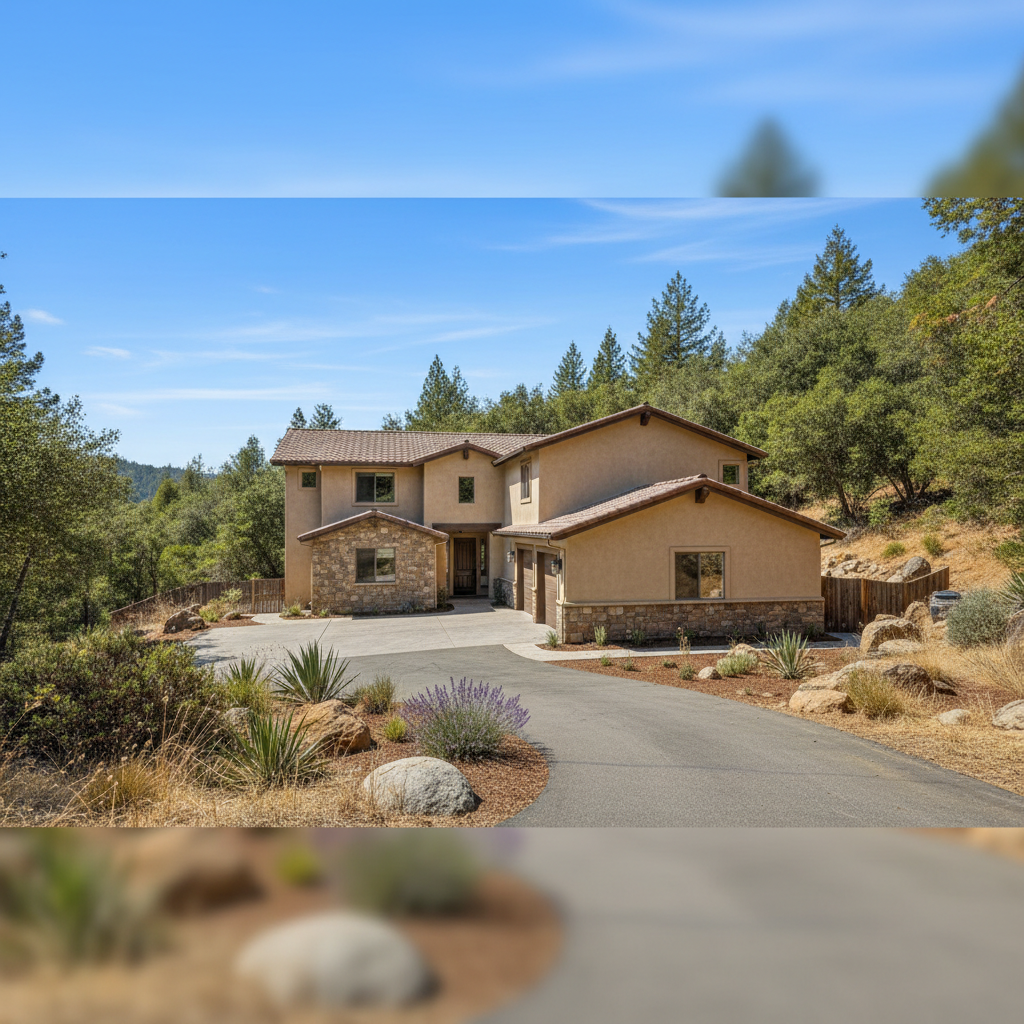
So, you're thinking about EIFS for your place here in Boulder Creek? That's a smart move for a lot of folks, especially with our damp winters. And let's be honest, some of our older homes, tucked into the hillsides, can really take a beating from the weather. But before you dive in, let's chat about planning. A good EIFS installation isn't just about slapping material on your walls; it's a whole project. Knowing what to expect upfront will save you a ton of headaches.
What's the Timeline Look Like?
Everyone always wants to know how long it's going to take, and that's totally fair. The honest answer? It really varies. It depends a lot on your house's size, how complex the architectural details are, and, frankly, whether we find any surprises once we start peeling back layers. But I can give you a general idea.
- First Chat & Proposal (1-2 weeks): First things first, we'll come out, take a look at your home, and talk about what you're hoping to achieve. Then, we'll put together a detailed proposal. This isn't just a number, by the way; it's a breakdown of the work, the materials we'll use, and a rough schedule.
- Permitting (4-8 weeks, sometimes longer): This part is often the longest, and honestly, it's mostly out of our hands. Depending on the project's size, you'll need permits from Santa Cruz County. They'll want to review plans to ensure everything meets code, especially for things like fire safety and how structurally sound everything is. Sometimes, particularly if you're in a high fire severity zone or have tricky access, it can take even more time.
- Ordering & Delivery (2-4 weeks): Once those permits are in hand, we order all the specific EIFS components. Lead times can differ, especially if you're looking for custom colors or finishes.
- Installation (3-8 weeks): This is where the real work gets done. For an average-sized home, you're looking at several weeks. Larger, more complex homes with lots of architectural features — like those multi-story houses tucked away in the Redwood Gulch area — will naturally take longer. Weather plays a big role here too; we can't apply EIFS in heavy rain or freezing temperatures, so winter projects might see more delays.
- Curing & Final Walkthrough (1 week): After we've installed everything, there's a curing period for the finish coat. Then, we'll do a thorough walkthrough with you to make sure everything looks perfect and answer any last questions you might have.
So, from that first phone call to our final handshake, you're probably looking at a 3 to 5 month process, at minimum. Don't let anyone tell you it's a weekend job, because it's just not.
What to Expect During the Installation Process
It's a construction zone, plain and simple. We're going to be working on your house, and yes, it will be disruptive, but we do our very best to keep that to a minimum. Here's what you'll see:
- Scaffolding: We'll put scaffolding up around your home. This ensures our crew can work safely and efficiently at all heights, and it'll stay there for the whole installation.
- Noise: You'll hear noise from tools, generators, and general construction activity. We try to keep it to reasonable hours, but it's just part of the deal.
- Debris: We'll set up a designated area for waste and keep the site as clean as possible. Still, there will be materials, tools, and some debris around. We do daily cleanups, but it's not going to look like a park, you know?
- Limited Access: Certain spots around your home might be temporarily inaccessible or have restricted access for safety reasons.
- Communication: My crew and I will keep you in the loop. We'll let you know about major milestones, any unexpected issues, or changes to the schedule. Please, don't hesitate to ask us questions if you're unsure about something.
How to Prepare Your Home and Property
You can do a few things to make the process smoother for everyone involved:
- Clear the Perimeter: Move any outdoor furniture, potted plants, grills, or anything else away from the exterior walls of your house. We really need a clear working space of at least 3-5 feet.
- Trim Landscaping: If you have bushes or trees right up against the house, trim them back. This gives us room to work and helps protect your plants.
- Protect Valuables: If you have anything fragile or valuable near the work area, either inside or out, move it. Vibrations from work can sometimes cause things to shift.
- Secure Pets: Keep pets indoors or in a secure, enclosed area away from the construction. Open gates and unfamiliar faces can be a recipe for a runaway pet, after all.
- Inform Neighbors: It's a good idea to give your immediate neighbors a heads-up that you'll have a construction project going on. It's just good neighborly practice, right?
- Plan for Access: Make sure we have clear access to power outlets and, if needed, a water source.
Questions to Ask Before Signing a Contract
This is crucial. Don't just look at the bottom line. You're making a big investment, and you want to be sure you're working with the right people. Here are some things you should absolutely ask about:
- What specific EIFS system are you proposing, and why? There are different types (drainage versus barrier), and a good contractor will explain the best fit for your home and our local conditions.
- Can you provide a detailed scope of work? This should outline everything included, from prep work to final cleanup. What's not included is just as important, by the way.
- What's your payment schedule? A reputable contractor won't ask for 50% or more upfront. Typically, it's a deposit, then progress payments tied to completed milestones.
- How do you handle change orders? If something unexpected comes up (and it often does in older Boulder Creek homes), how will that be communicated and priced? Get it in writing.
- What kind of warranty do you offer on your workmanship, and what about the EIFS manufacturer's warranty? You want both. Guardian Stucco, for example, stands behind its work, and the materials themselves come with their own guarantees.
- Who will be supervising the project daily? You want to know who your point of contact is if you have questions or concerns during the work.
- What's your plan for site cleanup and debris removal? Make sure they're not just going to leave a mess for you to deal with.
- What are your safety protocols? Ask about how they protect their crew and your property.
- Can I see proof of your licensing and insurance? This is non-negotiable. Don't hire anyone who can't provide current proof of both.
- Can you provide references from recent EIFS projects? Talk to other homeowners who've used them.
Asking these questions upfront will give you a much clearer picture of what you're getting into and help you choose a contractor you can trust. It's your home, and you deserve to feel confident in the process.