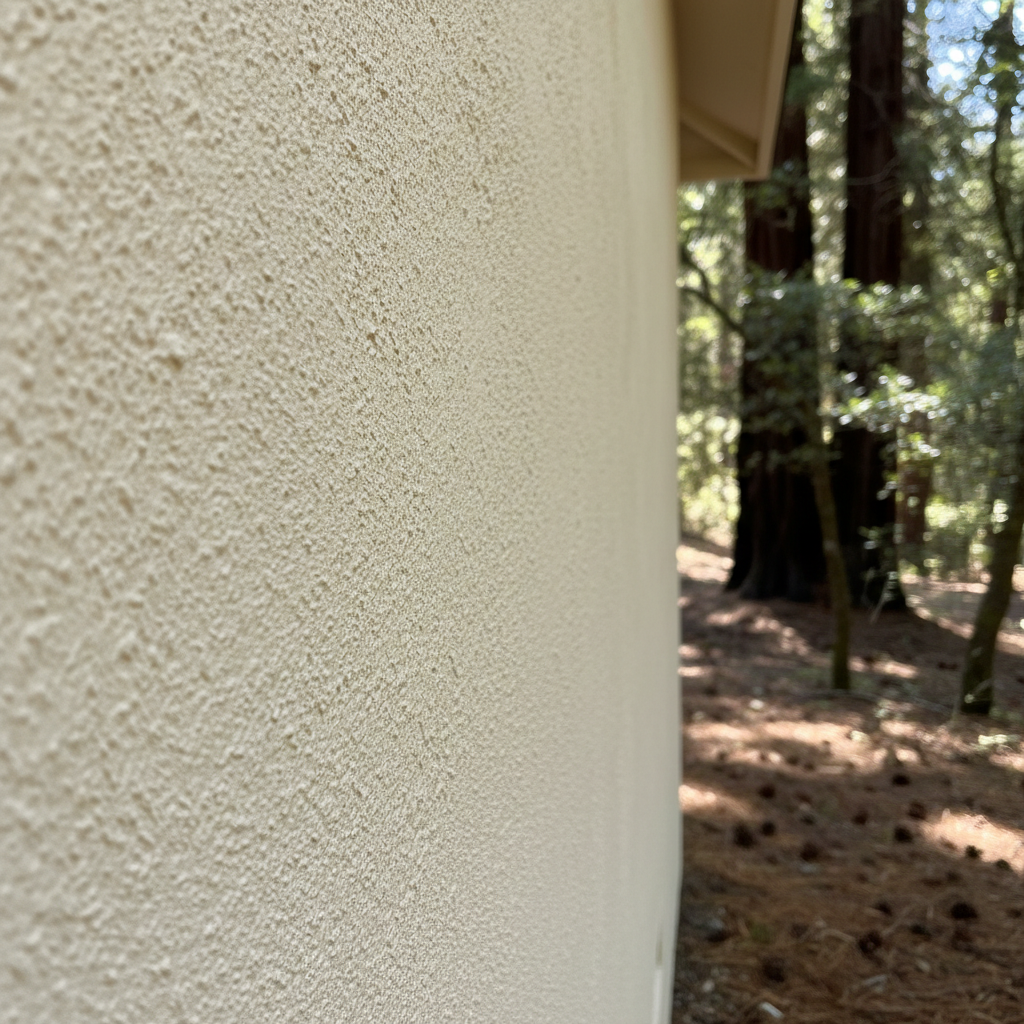
Why do I even need a stucco inspection? Isn't it just looking at the outside of my house?
You'd think so, wouldn't you? But a proper stucco inspection is way more than just a quick look-see. It's about figuring out if your stucco system is actually doing its job — protecting your home from water getting in and keeping its structure sound. Stucco is a fantastic siding, but if it wasn't put in right or if it's taken a hit, water can sneak behind it. And once water gets in there, you're looking at potential rot, mold, and structural damage that can be a real headache and a huge expense to fix later on. Especially up here in Boulder Creek, with our wet winters and the way homes are often built into hillsides, managing water is absolutely critical. An inspection catches these issues early, saving you a lot of grief and money.
What's involved in a typical stucco inspection? Do you just walk around the house?
Nah, it's a lot more thorough than that. First, I'll do a visual inspection of the entire exterior. I'm looking for things like cracks, discoloration, efflorescence (that white powdery stuff), bulging, or soft spots. I'll pay close attention to the critical areas, of course: around windows, doors, rooflines, decks, and any penetrations like vents or electrical conduits. These are common entry points for water, after all. Then, I'll use moisture meters to check for elevated moisture levels behind the stucco. This is non-invasive and helps pinpoint potential problem areas without damaging your walls. If those readings are high, we might need to do some small, invasive probes to confirm how bad the damage is. I'll also check the flashing and weep screeds to make sure they're installed correctly and working like they should. We're essentially playing detective, looking for clues the stucco is giving us about what's happening underneath.
How often should I get my stucco inspected?
For most homes, I'd say every 3-5 years is a good general rule, especially if your stucco is older or you've noticed any minor issues. But there are definitely situations where you should get one sooner. If you've had any significant weather events – like those crazy atmospheric rivers we get sometimes – or if you've done any exterior renovations that might have impacted the stucco, it's a good idea to get it checked. And if you're buying or selling a home, a stucco inspection is non-negotiable. It gives both parties assurance and can prevent nasty surprises during escrow. Think of it like getting your car's oil changed; regular maintenance saves you from bigger problems later.
I see some cracks in my stucco. Is that normal, or is it a major problem?
That's probably the most common question I get. Not all cracks are created equal, you see. Fine, hairline cracks are pretty normal, especially in older stucco. They're often just on the surface and happen as the stucco cures and settles. We call these 'shrinkage cracks,' and they're usually nothing to worry about. But then you have larger, wider cracks, or cracks that run in a pattern – like stair-stepping cracks around windows or doors, or cracks that are wider than a credit card. Those can be a sign of something more serious, perhaps structural movement, improper installation, or water damage. Discoloration around a crack is also a big red flag for water getting in. During an inspection, I'll assess the type, size, and location of the cracks to determine if they're just cosmetic or if they point to a deeper issue that needs attention. Don't panic about every little crack, but don't ignore the bigger ones either.
What's the difference between a general home inspector and a specialized stucco inspector?
That's a really important distinction. A general home inspector is great for an overall assessment of the house – plumbing, electrical, roof, foundation, and yes, they'll look at the exterior too. But they're generalists. They might spot obvious stucco problems, but they typically don't have the specialized training, tools, or deep understanding of stucco systems to do a truly comprehensive inspection. A specialized stucco inspector, like us at Guardian Stucco, focuses solely on stucco and exterior cladding. We know the common failure points, the specific building codes, and how to use specialized moisture testing equipment. We're looking for subtle clues that a general inspector might miss, which can be the difference between catching a small problem and facing a major repair bill down the line. It's like asking your family doctor to perform brain surgery – they're both doctors, but one has a very specific expertise.
What happens if you find problems during the inspection?
If we find issues, don't worry, it's not the end of the world. My job isn't just to point out problems, but to give you a clear understanding of what's going on and what your options are. I'll provide a detailed report outlining any deficiencies, including photos and moisture readings. We'll discuss how serious the issues are and recommend the best course of action. Sometimes it's a simple repair, like sealing a crack or re-flashing a window. Other times, if there's significant water damage, it might require more extensive work, like removing sections of stucco to deal with rot or mold. We'll walk you through everything, explain the pros and cons of different solutions, and give you an honest estimate for any necessary repairs. The goal is always to get your stucco system back to doing its job: protecting your home effectively and efficiently.